The 5 S's have wine service has little to do on the part of the waiter, but the waiter must understand what this ritual is as they will be standing table side while the ritual is performed. To a new waiter who is inexperienced at wine service this may appear to be some sort of witchcraft hocus pocus. But trust me the ritual serves a purpose when it comes to tasting the wine by the guest.
See - The guest will often tilt the glass slightly while over a light colored background or lift the glass to towards the light. What the guest is doing is looking at the color. The color of the wine will tell them the age of the wine. White wine gets darker as it ages and red wine loses color.
Swirl - Swirling opens up the wine and allows oxygen to introduce itself into the wine, enhancing, the aroma, flavors and softening a young red wines tannins.
Sniff - Guests will then lift the glass of wine to their nose for two purposes, first to enjoy the aromas and second to determine if the wine is flawed which foul odors will indicate.
Sip - At this point the guest will take a sip of the wine, often swishing it around inside their mouth to cover all the taste buds and to gather all the flavors. This is how they will determine if they like the wine.
Savor - Many will also savor the wine and think about what they are tasting before they let you know that the wine is satisfactory to serve.
These are the basics of the 5 S's and the ritual of tasting wine for the guest. For the professional server, sommelier or wine steward the steps are a little more involved when they are tasting wines and have much more purpose. Perhaps we will discuss these steps again in a future post and what they mean to you the waiter and your wine education.
Have an awesome day and make more money!
JD
Put More Cash In Your Pocket!
Waiter training. Helping the restaurant waiter and waitress increase their tips and improve dining room service.
Showing posts with label Wine Service. Show all posts
Wine Service (part 2 the four P'sof wine service)
I am thinking that I should have called this the 5 P's of wine service as the truly first P of wine service is perhaps the most important. Practice!Wine service can be very intimidating for the new waiter and I even know some old dogs that still get nervous performing wine service. Practice makes perfect! If you don't feel comfortable and confident in opening a bottle of wine table side, practice with an old bottle that has been re-corked or help open the house wine that may be needed throughout the day.
On to the 4 P's!
Propose - Guests often depend on the waiter or sommelier to propose a wine recommendation. Proposing wines in different price points will put the guest at ease and allow them to make a selection they are comfortable with.
Present - present the bottle to the host of the table (the one that ordered the wine) and repeat the name of the wine and vintage.
Pull - Pull the cork at the table and present the cork to the host. The cork is presented so they may see that the wine has been stored properly. One end of the cork should be wet while the other end should be dry.
Pour - Pour one to two ounces of wine into the hosts glass so they may taste and approve. When the wine is deemed satisfactory, continue to pout the wine for the rest of the table moving clockwise around the table with the host being poured last. A glass should never be filled more then 1/3 full (5 to 6 ounces is a standard pour) so the guest can swirl the wine without spilling. (more on swirling in part 3, the 5 S's) Keep in mind that a bottle of wine only holds 25.5 ounces of wine so know your math when pouring. Larger parties will require smaller pours as you never want to run out before you get back to the host.
Have an awesome day and make more money!
JD
Put More Cash In Your Pocket!
Labels:
Wine Service
Wine Service (part 1 tools of the trade)
It is important as a professional waiter to understand wine service and why we sell wine. It is also important to great wine service in having the proper tools to perform with. Nothing is more embarrassing then not being prepared and having what we need to perform our jobs. If you don't believe me ask any carpenter that showed up on the job without his hammer.
Tools of the trade!
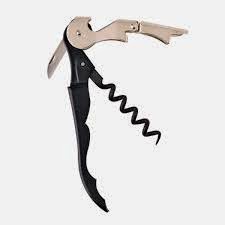
Corkscrew - next to a pen and order pad this is by far one of the most important tools that a waiter should
have on them all the time. Like the carpenter without a hammer, time is lost when a waiter has to run around looking for a corkscrew. I highly recommend that you buy the best one that you can afford. Many new waiters begin a low priced one that sells for around 3 or 4 dollars. That's fine to begin with, however they wear out fast and the blades are often dull. As you begin to make more money invest in a better corkscrew with a sharp blade and preferable one with a knuckled pull lever and you will fumble less at the guest table trying to cut the foil and pulling the cork. Good ones start at the $10 range and move on up to the hundreds. I have found that some of the best in my collection were in the $20 range.
Begin to open the bottle by placing the blade at a slight upward angle under the second lip of the bottle and turn the bottle to get a clean cut, lift the blade under the foil and peel off the cap. Close the blade and open the worm,( the squiggly pigs tail looking portion). Place the point of the worm in the center of the cork and give it a firm twist to secure the worm in the cork. Turn the corkscrew gently yet with some firmness without pressing down, until the worm has been inserted entirely into the cork. Place the lever on the lip of the bottle and pull up slowly and gently using the leverage of the lever. Most new waiters find that using the double knuckle lever eases the cork out smoothly. (if not comfortable opening wine practice before you perform the ritual in front of a guest. many restaurants will need to open a few bottles of the house wine prior to the service day beginning, get permission from the manager or bartender to practice using these bottles)
Decanter - The two main reasons to decant wine is to remove the sediment from an older bottle of red wine and to aerate (the goal of aerating is to allow the wine to open up and develop, releasing its aromas into the air) a young bottle of red wine. To decant a wine of its sediment, it is helpful to hold a flashlight or candle under the neck of the bottle while pouring the wine into the decanter. This will make it possible to see the sediment as you are pouring and to stop before the sediment pours into the decanter.
temperature of a wine or to maintain the temperature. (white wines, champagne and sparkling wines) Fill the bucket with two thirds ice and one third water. The water makes it easier to place the bottle into the bucket for quick chilling. Once chilled properly I prefer to then transfer the bottle to an insulated "bucket" that will hold the wine at temp and prevent dripping water on the table or guests.
Wine Glasses - The best shape for a wine glass is one that has a stem and a bowl that is turned in slightly at the rim to capture and hold the aroma. The stem will allow the guest to hold the glass without affecting the temperature of the wine. The bowl should be large enough to allow the guest to swirl a 2 ounce pour without spilling wine. Some restaurants carry a variety of wine glasses to accommodate different varietals while many will use a red wine glass for all wines. Check with your manager, sommelier or bartender to learn which glassware you use. (there are many debates/discussions on proper glassware that are to numerous to discuss here)
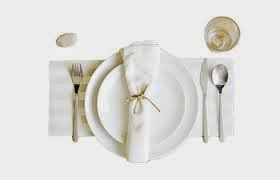
Placement - All restaurants have their own method for placement of wine glasses, but the standard is above the tip of the dinner knife and slightly to the right. Again check with management on the procedures used in your restaurant.
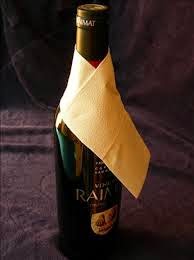
Linen Napkin - This is used to wipe the lip of the bottle prior to pouring the wine to remove any pieces of cork, sediment or foil left after opening. It is also used after pouring to clean any drips down the side of the bottle. The napkin is often then folded/draped around the neck of the bottle so the guest may use it if they pour their own second glass.
Be sure to check out part 2 of wine service, the Four P's of wine service and part 3 the five S's of wine service.
Have an awesome day and make more money!
JD
Put More Cash In Your Pocket!
Tools of the trade!
Corkscrew - next to a pen and order pad this is by far one of the most important tools that a waiter shouldhave on them all the time. Like the carpenter without a hammer, time is lost when a waiter has to run around looking for a corkscrew. I highly recommend that you buy the best one that you can afford. Many new waiters begin a low priced one that sells for around 3 or 4 dollars. That's fine to begin with, however they wear out fast and the blades are often dull. As you begin to make more money invest in a better corkscrew with a sharp blade and preferable one with a knuckled pull lever and you will fumble less at the guest table trying to cut the foil and pulling the cork. Good ones start at the $10 range and move on up to the hundreds. I have found that some of the best in my collection were in the $20 range.
Begin to open the bottle by placing the blade at a slight upward angle under the second lip of the bottle and turn the bottle to get a clean cut, lift the blade under the foil and peel off the cap. Close the blade and open the worm,( the squiggly pigs tail looking portion). Place the point of the worm in the center of the cork and give it a firm twist to secure the worm in the cork. Turn the corkscrew gently yet with some firmness without pressing down, until the worm has been inserted entirely into the cork. Place the lever on the lip of the bottle and pull up slowly and gently using the leverage of the lever. Most new waiters find that using the double knuckle lever eases the cork out smoothly. (if not comfortable opening wine practice before you perform the ritual in front of a guest. many restaurants will need to open a few bottles of the house wine prior to the service day beginning, get permission from the manager or bartender to practice using these bottles)
Decanter - The two main reasons to decant wine is to remove the sediment from an older bottle of red wine and to aerate (the goal of aerating is to allow the wine to open up and develop, releasing its aromas into the air) a young bottle of red wine. To decant a wine of its sediment, it is helpful to hold a flashlight or candle under the neck of the bottle while pouring the wine into the decanter. This will make it possible to see the sediment as you are pouring and to stop before the sediment pours into the decanter.
temperature of a wine or to maintain the temperature. (white wines, champagne and sparkling wines) Fill the bucket with two thirds ice and one third water. The water makes it easier to place the bottle into the bucket for quick chilling. Once chilled properly I prefer to then transfer the bottle to an insulated "bucket" that will hold the wine at temp and prevent dripping water on the table or guests.
Wine Glasses - The best shape for a wine glass is one that has a stem and a bowl that is turned in slightly at the rim to capture and hold the aroma. The stem will allow the guest to hold the glass without affecting the temperature of the wine. The bowl should be large enough to allow the guest to swirl a 2 ounce pour without spilling wine. Some restaurants carry a variety of wine glasses to accommodate different varietals while many will use a red wine glass for all wines. Check with your manager, sommelier or bartender to learn which glassware you use. (there are many debates/discussions on proper glassware that are to numerous to discuss here)
Placement - All restaurants have their own method for placement of wine glasses, but the standard is above the tip of the dinner knife and slightly to the right. Again check with management on the procedures used in your restaurant.
Linen Napkin - This is used to wipe the lip of the bottle prior to pouring the wine to remove any pieces of cork, sediment or foil left after opening. It is also used after pouring to clean any drips down the side of the bottle. The napkin is often then folded/draped around the neck of the bottle so the guest may use it if they pour their own second glass.Be sure to check out part 2 of wine service, the Four P's of wine service and part 3 the five S's of wine service.
Have an awesome day and make more money!
JD
Put More Cash In Your Pocket!
Labels:
Wine Service
Subscribe to:
Posts (Atom)


